
Clinical Sciences Curriculum
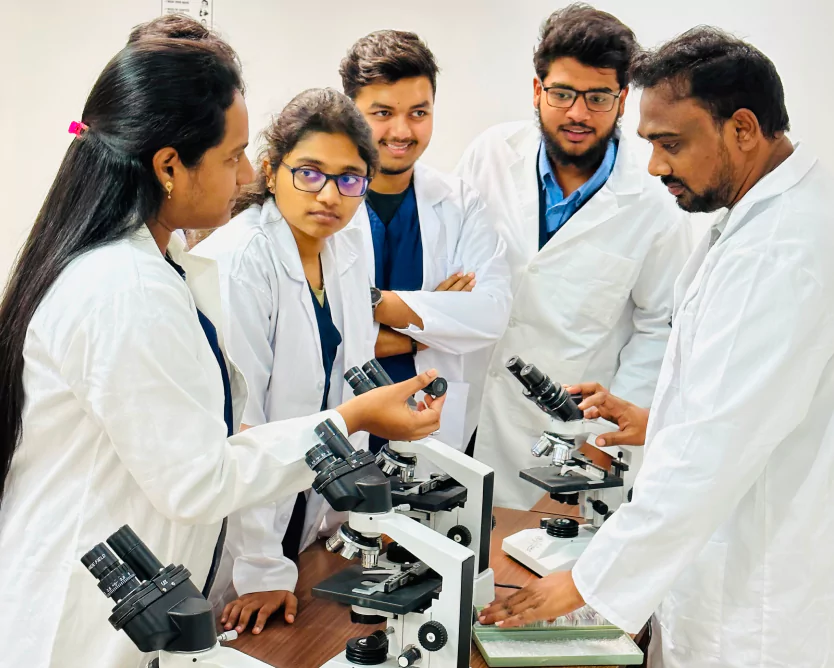
Our Clinical Sciences curriculum offers a well rounded, immersive learning experience that prepares students for real world patient care. With hands on training, supervised rotations, and strong academic support, students build the clinical confidence needed to succeed in postgraduate residency programs.
Prerequisite Requirements
Before entering the Clinical Sciences Program, students must:
- Successfully complete the Basic Sciences curriculum.
- Hold a valid AHA Basic Life Support (BLS) certification, ensuring they are trained in essential emergency care skills.
Program Structure
The curriculum features 72 weeks of clinical rotations under the expert supervision of practicing physicians. These rotations includes:
- 48 weeks of Core Rotations
- 28 weeks of Elective Rotations
Core Rotations – 48 Weeks
Students complete six essential clinical specialities that build the foundation for advanced medical practice. Each rotation equips students with fundamental diagnostic, procedural, and patient management skills needed for postgraduate training.
CLINICAL CORE ROTATIONS (48 WEEKS)
| Core Rotation | Duration | Core Rotation | Duration |
|---|---|---|---|
| Internal Medicine | 12 weeks | Surgery | 12 weeks |
| Pediatrics | 6 weeks | Psychiatry | 6 weeks |
| Obstetrics/Gynecology | 6 weeks | Family medicine | 6 weeks |
Elective Rotations – 28 Weeks
Elective rotations allow students to:
- Explore additional medical specialities
- Identify future career interests
- Strengthen their clinical knowledge
- Build connections with physicians across specialities
These electives help students deepen their expertise and tailor their learning to their long-term goals.
CLINICAL ELECTIVE ROTATIONS (28 WEEKS)
| Elective Rotation | Duration | Elective Rotation | Duration |
|---|---|---|---|
| Ophthalmology | 4 weeks | Emergency Medicine | 4 weeks |
| Ears, Nose, Throat | 4 weeks | Radiology | 4 weeks |
| Neurology | 4 weeks | Dermatology | 4 weeks |
| Subspeciality of a Core | 4 weeks |
NBME Examinations:
Students must take NBME subject examinations for each core rotation. These exams:
- Assess clinical understanding and speciality proficiency.
- Strengthen preparation for the USMLE Step 2 examination.
- Play a key role in shaping students into competitive residency candidates.
Clinical Skills Development
Throughout the program, students sharpen essential clinical skills, including:
- Taking patient histories
- Performing physical examinations
- Reviewing and interpreting lab results
- Diagnosing medical conditions
- Conducting limited clinical procedures
Each clinical site offers strong academic and on-ground support through clerkship directors, coordinators, and experienced preceptors who guide students at every step.
Core Clerkship Description

Family Medicine
This rotation aims to familiarize the clinical student with the general principles of ambulatory and preventive medicine. The diagnosis and management of chronic diseases including diabetes, hypertension, and COPD will be another focus of this rotation. Different aspects of preventive medicine, including promoting a healthy lifestyle and nutrition, vaccination, screening, and prevention of falls, firearms accidents, and motor vehicle accidents are topics that will be included in this clerkship. There will be emphasis on the principles of ethics and professionalism and cultural competence.
Internal Medicine
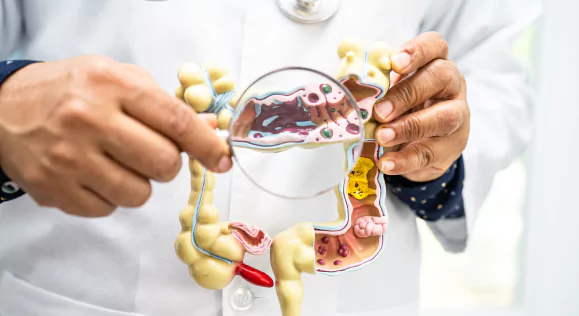
This clerkship is a third year core rotation in both inpatient and outpatient settings. This rotation can include multiple different wards, including cardiology, respiratory medicine, gastrointestinal diseases, nephrology, endocrinology, infectious diseases, hematology and oncology, intensive care unit, and rheumatology. The art of history taking, physical examination, assessment, and plan are practiced daily. Gathering information and effectively presenting them is one of the cores of this rotation. The student will also show professionalism and proper bedside manners. Proper formal attire is required.

Obstetrics and Gynecology
This clerkship revolves around healthcare for women. It provides instructions in the basic knowledge and clinical skills focused on the reproductive health maintenance and disorders of women. Reproductive physiology, anatomy, management of pregnancy and common gynecologic problems that affect women are emphasized in this clerkship.
Pediatrics
The clerkship prepares students for the care of newborns, infants, children, and adolescents. Growth and development, nutrition, vaccination, and preventive medicine are important aspects of this rotation. More emphasis is given to the family history, genetic diseases, and birth history. Students have both inpatient and outpatient experiences.


Psychiatry
This clerkship aims to expose students to patients with mental illness and to prepare them to provide psychiatric care at the basic level. The clinical setting is usually inpatient; however, when it is feasible, the outpatient encounter is encouraged. The clerkship emphasizes on learning interviewing skills, team collaboration and respect for psychiatric patients and their disorders.
Surgery
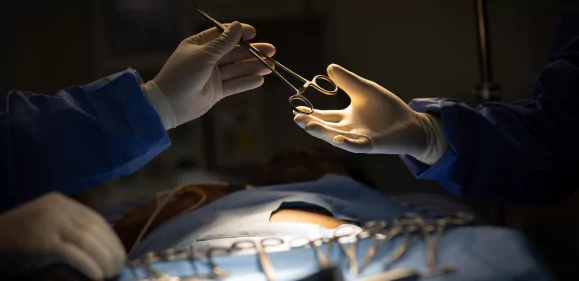
The Surgery clerkship is a core rotation during the third year that covers the different fields of surgery rotations include general surgery, vascular surgery, plastic surgery, orthopedic surgery, and urology. This rotation includes both inpatients and outpatients’ settings. The student will learn the basic and minor surgical skills and wound management, surgical diagnosis of major surgical cases, and basic intraoperative and postoperative management.
Curious about your global pathway?
© 2026 Bridgetown International University School of Medicine. All Rights Reserved.
×
Enquiry Form
Please fill the details below