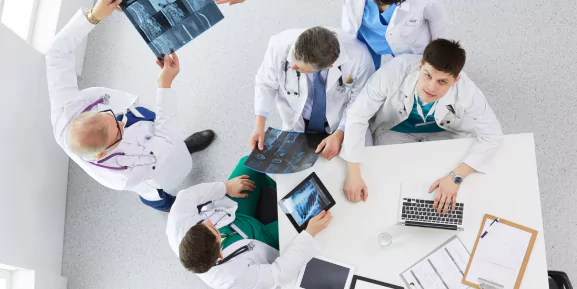
The Basic Sciences Program at Bridgetown International University School of Medicine has six semesters, beginning with core fundamentals and gradually advancing to system-based learning. The curriculum combines Anatomy, Physiology, Biochemistry, Microbiology, Pathology, Pharmacology, and other foundational subjects to prepare students for clinical training.
This integrated approach emphasizes conceptual clarity, critical thinking, and early clinical correlation. Students benefit from interactive lectures, practical laboratory sessions, and continuous assessments designed to build a strong medical foundation and ensure a smooth transition into clinical rotations.
Year 1
MD1
MD2
MD3
Courses
Credits
Courses
Credits
Courses
Credits
Anatomy and Histology
6
Nervous System
8
Immunology
3
Biochemistry, Genetics and Molecular Biology
4
Behavioral Science Ethics and Social Sciences
6
Dermatology
3
General Pharmacology
1
Hematology
8
Musculoskeletal System
8
General Pathology
4
Clinical Skills II
1
Clinical Skills III
1
General Microbiology
1
Clinical Skills I
1
Year 2
MD4
MD5
MD6
Courses
Credits
Courses
Credits
Courses
Credits
Cardiopulmonary System
8
Endocrine System
6
Pathophysiology
12
Gastro-intestinal System
8
Urinary System
6
Biostatistics and Epidemiology
3
Clinical Skills IV
1
Reproductive System
6
Patient-Doctor Relationship + Observership
4
Clinical Skills V
1
Course Descriptions – Basic Sciences
Anatomy & Histology
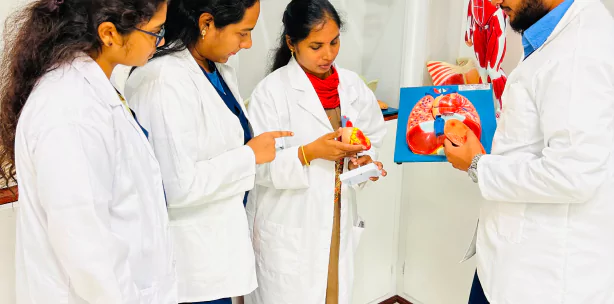
This course introduces students to the microscopic and gross structure of the human body. It focuses on the organisation of cells, tissues, and organ systems, along with the development and functional relationships that underpin clinical practice. Students learn how structural understanding is applied to diagnose diseases and solve clinical problems.
Behavioural Science, Ethics & Social Science
Students explore the connection between psychological development, human behaviour, and health. This course covers major behavioural patterns, emotional responses, cultural dimensions of care, and the basics of identifying common psychological disturbances.
Biochemistry, Genetics & Molecular Biology
This subject guides students through the molecular processes that drive life and disease. It covers metabolism, genetic individuality, cellular functions, and the latest developments in genetics. The material emphasises concepts that are most relevant to clinical medicine while simplifying areas with limited immediate application for physicians.
Cardiopulmonary System
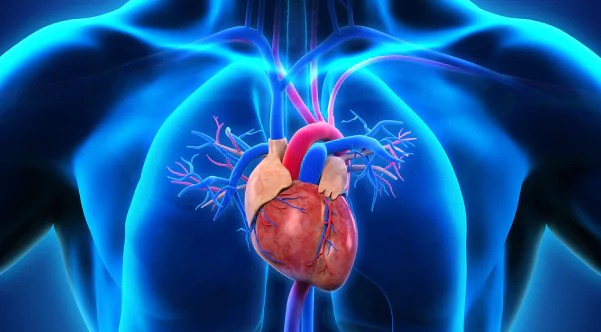
Students gain a thorough understanding of the heart and lungs, including embryology, anatomy, physiology, ventilation, circulation, and gas exchange. The course also explains major cardiopulmonary diseases, their mechanisms, prevention strategies, and the clinical principles behind managing them.
Dermatology
This course introduces the structure and function of the skin. Students learn about common dermatological disorders, rare but significant conditions, and a wide range of treatment methods, including topical therapies, phototherapy, medication, and surgical approaches.
Endocrine System
The endocrine course focuses on hormone biology, including their synthesis, regulation, and effects on the body. Students examine the structure and function of endocrine glands, understand the causes and presentations of common endocrine disorders, and study their diagnostic and therapeutic management.
Epidemiology & Biostatistics
Students develop essential analytical skills by learning the fundamentals of biostatistics and epidemiology. The course covers data interpretation, measures of central tendency, correlation, and regression analysis, enabling students to evaluate medical literature with a critical, evidence-based perspective.
Gastrointestinal System
This course describes the digestive system in detail, emphasising anatomy, physiology, and the mechanisms behind common gastrointestinal diseases. Students learn how these disorders are diagnosed and treated in clinical settings.
General Microbiology
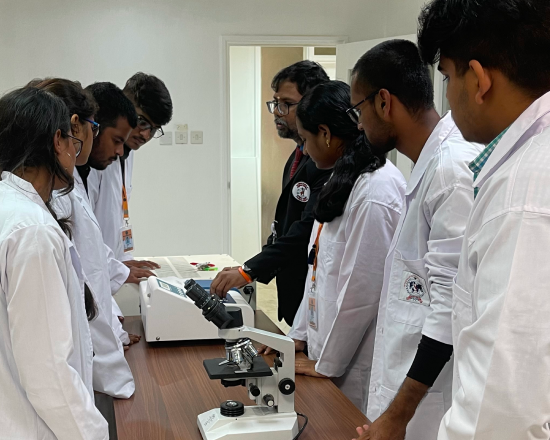
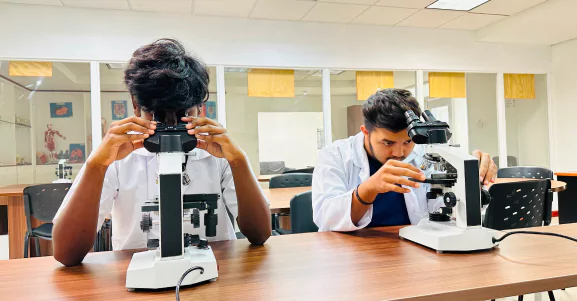
The microbiology course combines classroom lectures, laboratory practice, and case-based learning to build a solid understanding of microbes. It covers microbial growth, metabolism, pathogen classification, antimicrobial resistance, and host-pathogen interactions, preparing students to identify and manage infectious diseases.
General Pathology
This course serves as a bridge between basic science and clinical application by examining the mechanisms of disease. Students learn how structural and cellular changes translate into clinical symptoms, providing the foundation needed for diagnostic reasoning during patient care.
General Pharmacology
General Pharmacology explains how therapeutic agents interact with the body and influence physiological functions. Students study mechanisms of drug action, receptor interactions, therapeutic uses, and clinical considerations for each drug class.
Hematology
Students explore the structure, development, and functions of the blood and related organs. The course highlights common blood disorders, including bleeding and clotting abnormalities, and teaches the principles behind their diagnosis and treatment.
Immunology
This course introduces students to the components and functions of the immune system. It explains innate and adaptive immunity, antibody diversity, hypersensitivity reactions, and immune system failure, connecting each concept to relevant clinical scenarios.
Musculoskeletal System
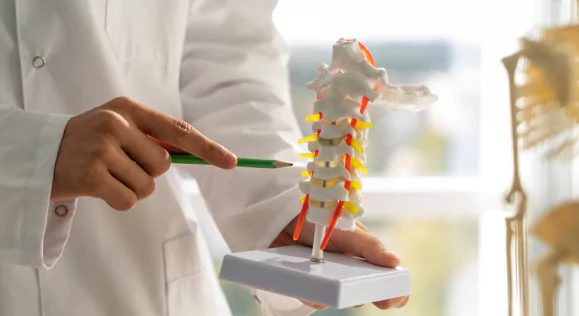
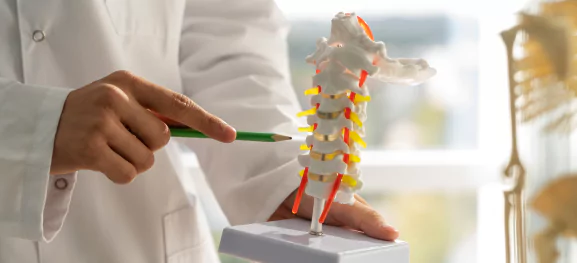
Students learn the complete structure and function of muscles, bones, ligaments, cartilage, and joints. The course also covers limb development, bone physiology, muscle contraction, and the mechanisms, prevention, and management of musculoskeletal disorders.
Nervous System
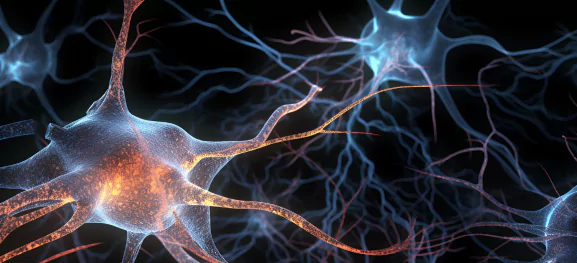
The nervous system course offers an integrated understanding of neuroanatomy, neurophysiology, neuropathology, embryology, and neurology. By the end of the course, students can relate normal neurological functions to disease states and understand the origins of neurological deficits.
Reproductive System
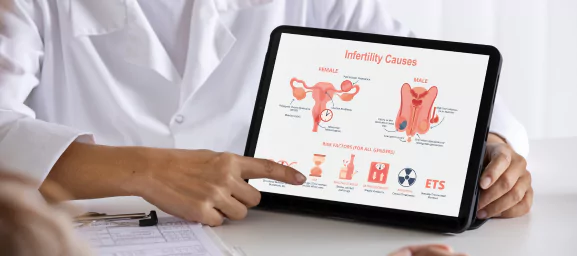
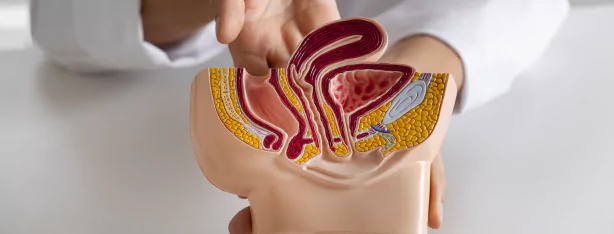
This course provides foundational knowledge of male and female reproductive health. Students study anatomy, physiology, pathology, and pharmacologic management, along with clinical skills related to reproductive health maintenance and disorders.
Urinary System
The urinary system course focuses on kidney structure and function, fluid and electrolyte balance, and renal disease. Students learn the pathophysiology and management of common kidney-related conditions.
Clinical Skills I
Clinical Skills I introduces students to the fundamentals of clinical practice. The course focuses on building strong doctor and patient relationships, performing basic assessments, such as vital signs, and developing an early understanding of history, professionalism, and ethics in medicine.
Clinical Skills II
Clinical Skills II strengthens communication and behavioural skills essential for patient interaction. Students learn structured history taking, practice effective interviewing techniques, and explore the attitudes and professional conduct expected in real clinical environments.
Clinical Skills III
Clinical Skills III advances students’ abilities in patient evaluation by refining history taking and teaching complete physical examination techniques. The course also trains students to present clinical findings accurately through oral and written case presentations.
Clinical Skills IV
Clinical Skills IV focuses on developing diagnostic competence. Students learn how and when to perform special examinations, recognise system specific clinical signs, and conduct thorough physical examinations in both adults and children, following culturally appropriate clinical protocols.
Clinical Skills V
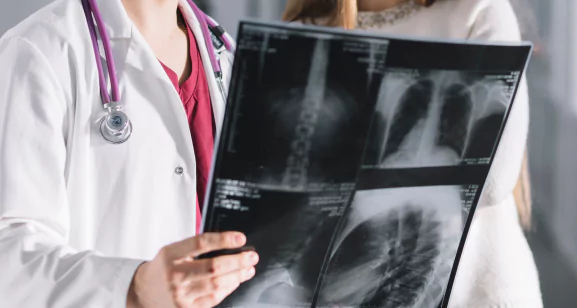
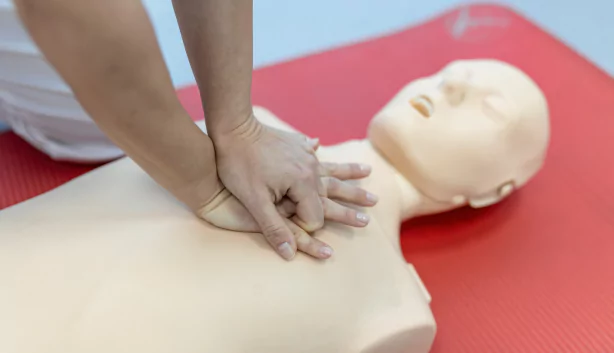
Clinical Skills V prepares students for real world clinical responsibilities. It includes scenario based history taking, advanced physical examination practice using simulators, and training in interpreting laboratory data, radiology, imaging techniques, and ECGs, all while emphasising ethical, patient centred care.
MD6 Observership
The Clinical Observership serves as a bridge between the Basic Sciences and the Clinical Sciences. During this phase, students gain real world exposure by observing patient consultations, clinical procedures, and healthcare teamwork across clinics in Barbados. The observership helps students apply their basic science knowledge to actual medical cases, understand disease presentations, and develop confidence before beginning full clinical rotations.