Global Career
Opportunities for Our Medical Graduates
At Bridgetown International University School of Medicine, we are committed to shaping confident and capable future doctors. With the guidance of our experienced faculty, students gain access to a wide range of learning opportunities that combine strong theoretical knowledge with hands on clinical exposure in Barbados.
Our mission is to deliver world-class medical education through an MD program that meets global standards and follows a US based medical curriculum. Students develop the skills, discipline, and clinical understanding needed to succeed in a modern medical career. Recognised by medical organisations and authorities worldwide, BIUSM prepares graduates for global opportunities, enabling them to practice medicine across diverse healthcare systems.
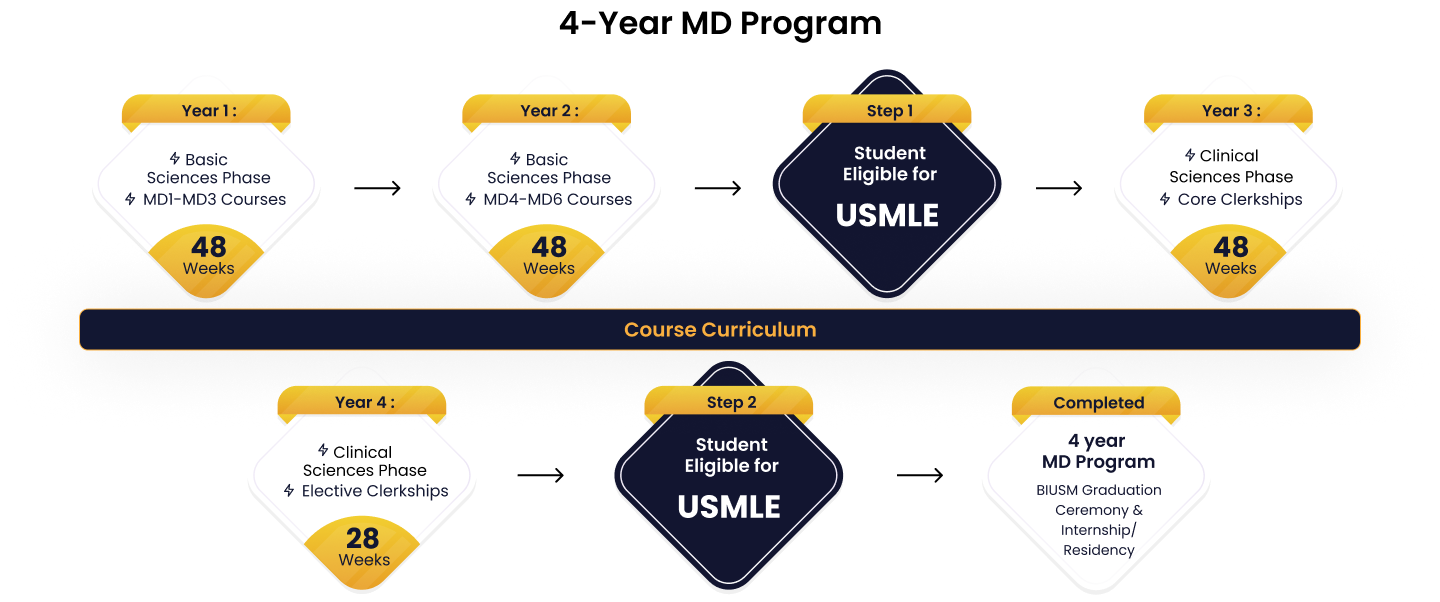
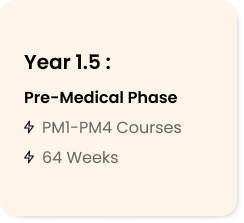
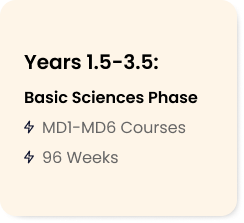
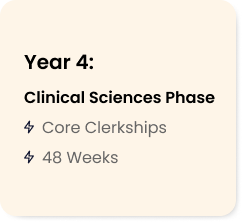
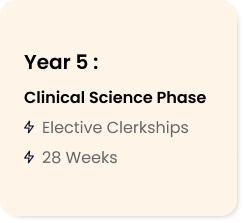
4 Year MD Program
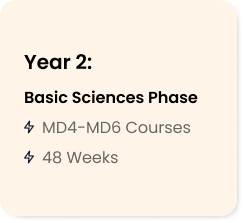
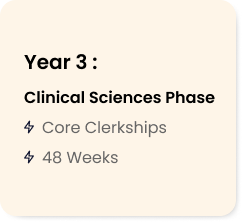
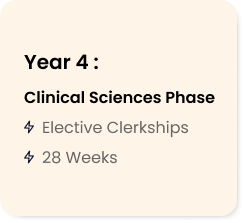
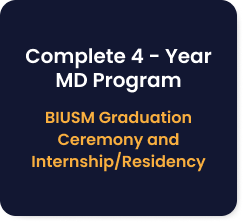
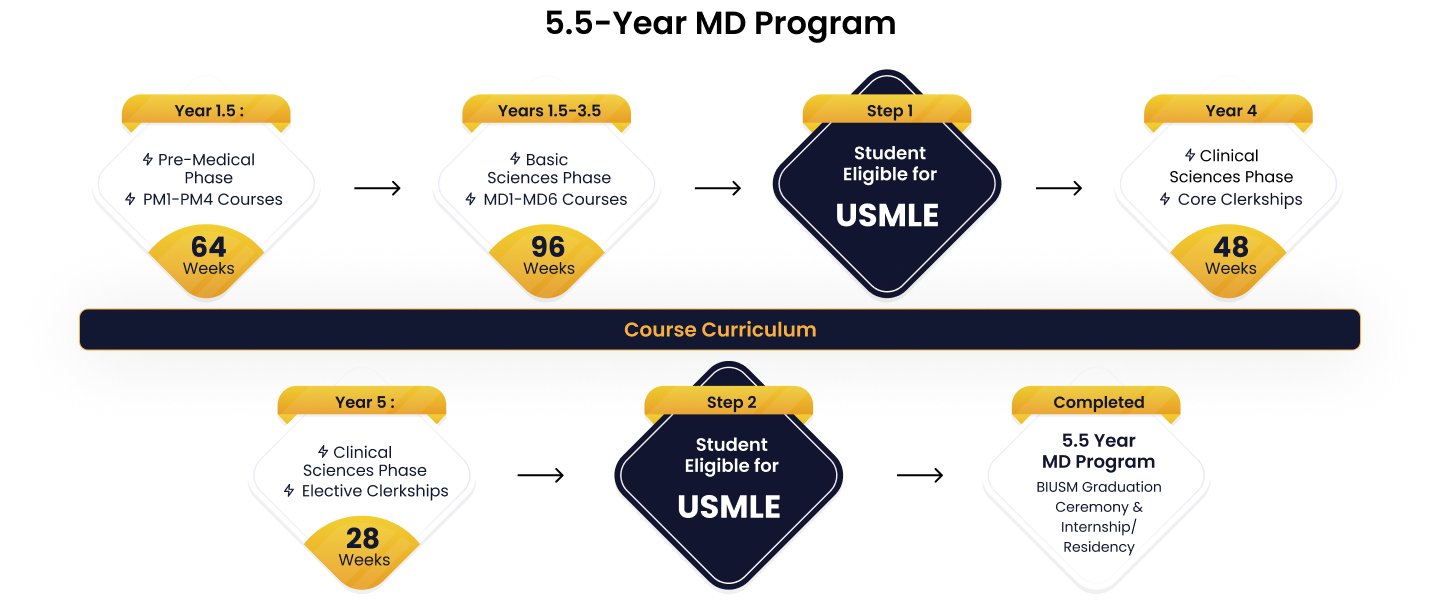
5.5 Year MD Program/Pathway
Medical Knowledge
Students build a solid foundation in biomedical, clinical, epidemiological, and social, behavioural sciences and apply this knowledge directly to patient care. Throughout the MD program, students learn to:
- Demonstrate knowledge of established and evolving principles in biomedical, clinical, and population-based sciences.
- Understand the aetiology, pathogenesis, and epidemiology of diseases.
- Interpret signs, symptoms, and laboratory findings accurately.
- Use an inquiry driven and analytical approach to assess patients and learn continuously.
- Select, justify, and interpret diagnostic tests and imaging that support differential diagnoses.
- Apply basic therapeutic, preventive, and palliative strategies appropriately.
Patient Care and Procedural Skills
The MD curriculum emphasises patient-centred care and the proper use of clinical skills. Students are trained to:
- Deliver compassionate, appropriate, and effective care for a wide range of health concerns.
- Gather complete and focused patient histories from patients and other relevant sources, including electronic medical records.
- Conduct focused physical examinations using traditional and enhanced tools, interpreting findings while ensuring patient comfort.
- Document patient encounters clearly and promptly, including assessments, differential diagnoses, and treatment plans.
- Perform common medical procedures safely and accurately while following sterile techniques and obtaining informed consent.
- Work effectively within healthcare teams to prioritise and deliver high-quality care aligned with patients’ medical and social needs.
Systems-Based Approach
Students learn to understand healthcare as a system and develop the ability to work efficiently within it. The MD program trains students to:
- Demonstrate awareness of the larger healthcare system and effectively use available resources.
- Participate in structured approaches to improve patient safety.
- Engage in clinical quality improvement using team based and systematic methods.
- Understand historical and current factors affecting health equity and apply this knowledge to better support patients and communities.
Practice Based Learning and Improvement
To prepare students for lifelong medical practice, the MD program focuses on continuous learning and self-evaluation. Students learn to:
- Investigate and evaluate their own patient care practices and integrate scientific evidence into decision making.
- Apply evidence based medicine to improve patient outcomes.
- Reflect on personal strengths and challenges, including the impact of bias, identity, and privilege on clinical interactions.
- Set personal learning goals and participate in activities that address knowledge or skill gaps.
- Seek, provide, and respond to feedback in a way that supports growth and encourages a culture of openness and improvement.
Professionalism
Professional behaviour and ethical practice form the core of medical training. BIUSM students are expected to:
- Demonstrate accountability, integrity, honesty, and compassion in all professional interactions.
- Show respect for patients, families, colleagues, and healthcare teams.
- Communicate sensitively and effectively with individuals from diverse cultural, religious, and social backgrounds.
- Maintain reliability, initiative, and responsiveness, including appropriate use of electronic communication and medical records.
- Uphold ethical principles such as patient confidentiality, respect for autonomy, responsible handling of medical errors, and awareness of healthcare disparities.
- Adhere to institutional, regulatory, and professional standards.
- Utilise healthy coping strategies to manage stress and maintain professionalism.
Interpersonal and Communication Skills
Strong communication skills are essential for patient care and teamwork. The MD program trains students to:
- Communicate clearly and effectively with patients, families, and healthcare professionals in both interpersonal and electronic contexts.
- Demonstrate empathy, integrity, and respect during challenging conversations.
- Recognise and manage emotional factors that may influence decision-making.
- Identify patient needs, concerns, and preferences, and integrate them into medical decisions and treatment plans.
- Involve patients and families in care decisions whenever appropriate to ensure shared understanding and collaboration.
Curious about your global pathway?
© 2026 Bridgetown International University School of Medicine. All Rights Reserved.
×
Enquiry Form
Please fill the details below